

Joseph Briggs on Family, Work Ethic and Finding Your Place
By Chris Bobbitt, Broadcast Manager, Walmart Radio
2 MIN READ
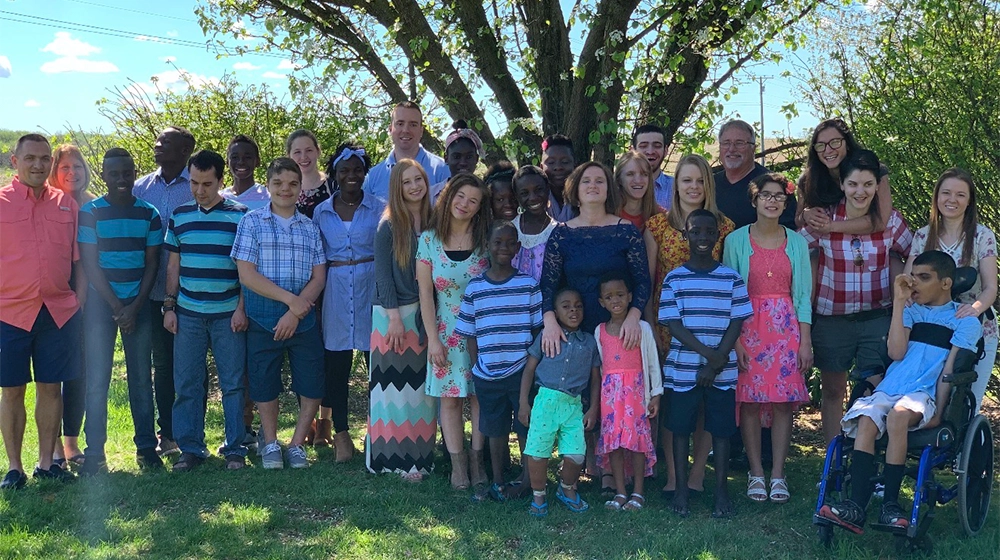
Joseph Briggs (far left) with his family at Easter.
Joseph Briggs grew up in a family built through love, patience, and a whole lot of room at the table. Over the years, his parents welcomed children from countries across the globe, eventually building a household of 38 brothers and sisters. Joseph was 15 when he came to the United States from an orphanage in Ukraine, and what he found here was a world that looked very different from the one he left behind.
A House Built for Everyone
At one point, 27 kids lived under one roof in the Briggs home. The house sat on three and a half acres, and family life moved with the kind of organized energy that comes from a full house, holiday gatherings, and a mother who knew how to feed a crowd. Groceries happened twice a week, everyone pitched in, and the whole family learned early that teamwork was not optional.
Joseph says the difference between life in the orphanage and life at home was immediate. In Ukraine, he remembers crowded rooms and the feeling of being just another child in the system. In America, he found a home where he was cared for, celebrated, and welcomed as a son and brother.
From New Brother to Big Brother
As more children joined the family, Joseph began traveling with his parents to help bring them home. What started as his own adoption story became part of a larger family mission, and Joseph stepped naturally into the role of older brother, protector, and guide.
That sense of looking out for one another shaped everything. In the Briggs household, if one sibling was bullied, the others showed up. Soccer became a family tradition, holidays became shared rituals, and the lesson was simple: move together, or do not move far.
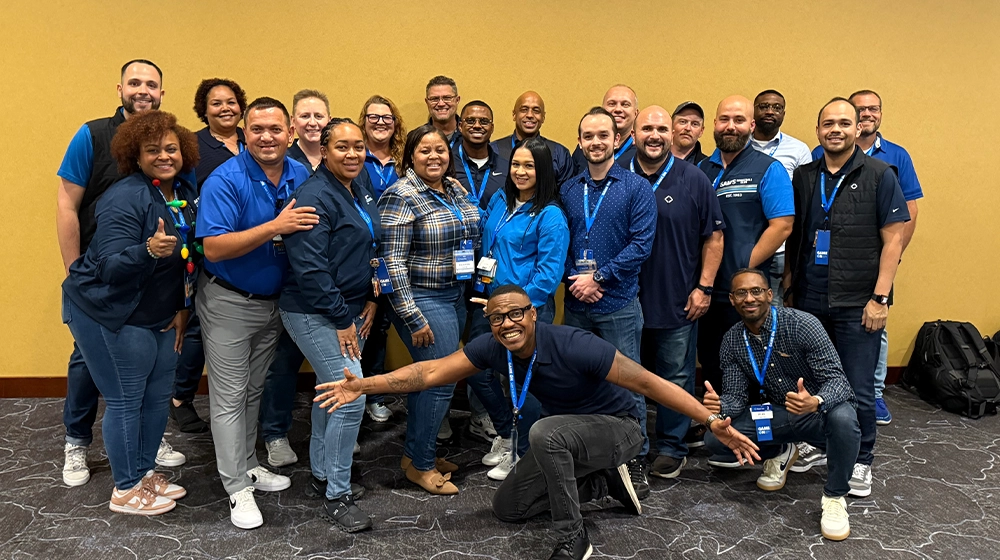
Joseph with his fellow associates.
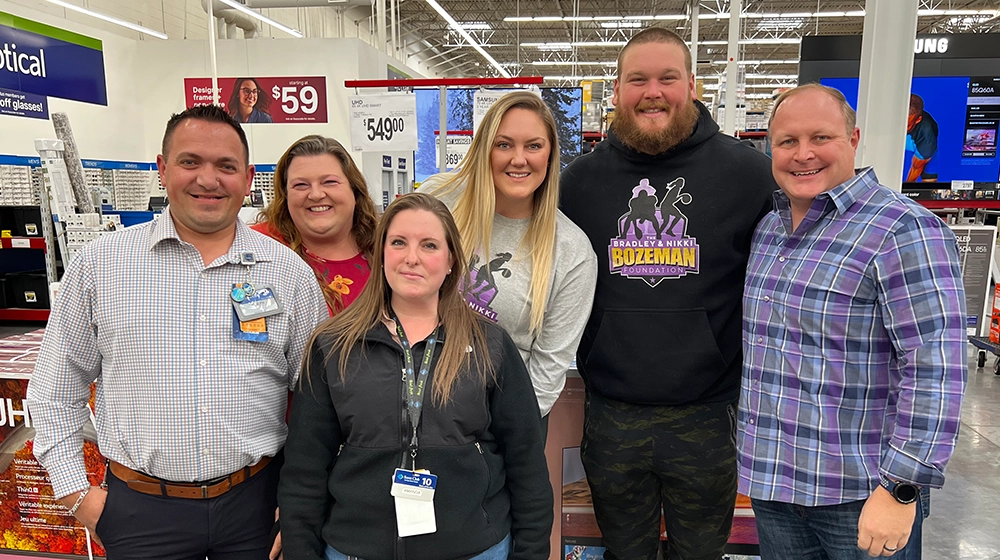
Joseph (left) and his team.
A Career That Grew the Same Way
Joseph’s story at Sam’s Club began at 17, pushing carts. A manager told him he was too small for the job, but Joseph asked for a chance and got to work. That first step turned into a long career that moved from carts to cashier to membership to team lead, with the same work ethic that carried him through childhood. Over time, 17 Briggs family members worked at Sam’s Club.
What stayed with him most was his mother’s advice: stay until the job is done, and be better than expected. That idea still guides how he leads today. Joseph says there is no “I” in team, and the bigger the responsibility, the more important it is to work side by side with people instead of around them.
Family First, Always
One of the most meaningful moments in Joseph’s story came during an overseas adoption when a child became very sick while paperwork stalled. Joseph needed time away to help bring the child home, and he says the support he received from work meant everything. For him, it reinforced something he already believed: work and family should not live on opposite sides of the fence. They should strengthen each other.
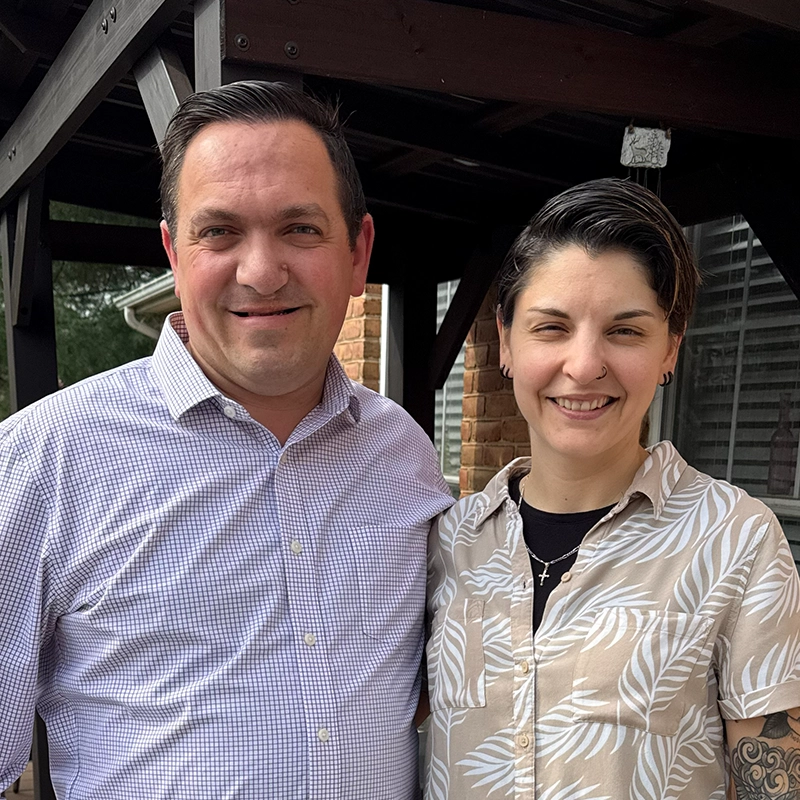
Joe (Club Manager, Frederick, MD) and his sister Cate (Overnight Supervisor, Hagerstown, MD).
That belief shows up in the way he leads now. Joseph manages more than a hundred associates and wants the people on his team to grow into leaders themselves. He talks about replacement not as loss, but as progress. That is the kind of leadership that lasts because it makes room for other people to rise.
The Legacy That Matters Most
When Joseph talks about his parents, he does not talk about credit or recognition. He talks about choice. They chose to invest in kids who needed a chance. They chose to build a family that made room for others, even when it was complicated and expensive and loud. And in doing so, they built something bigger than a household. They built a legacy.
Joseph’s story is a reminder that family can be chosen, that leadership can start pushing carts in a parking lot, and that opportunity can grow into a career that lasts.
Walmart Radio Podcast
Hit play on the Walmart Radio Podcast to hear Joseph’s full conversation with Chris and how one family’s “yes” changed everything.